
Winter Concrete Prep Guide for Omaha: Sealing & De-Icing
If you’ve lived through a Nebraska winter, you know how brutal the freeze-thaw cycles can be on your concrete. One week it’s 45 degrees and sunny, the next we’re scraping ice off everything. In a typical Omaha winter, your concrete can go through 30-50 freeze-thaw cycles each one pushing water deeper into cracks and causing progressive damage. By March, that small hairline crack from October has become a quarter-inch gap that needs professional repair. Your driveway and patio take a beating during these months, but a little prep work now can save you from expensive repairs come spring.
greg beckard – december 13, 2021
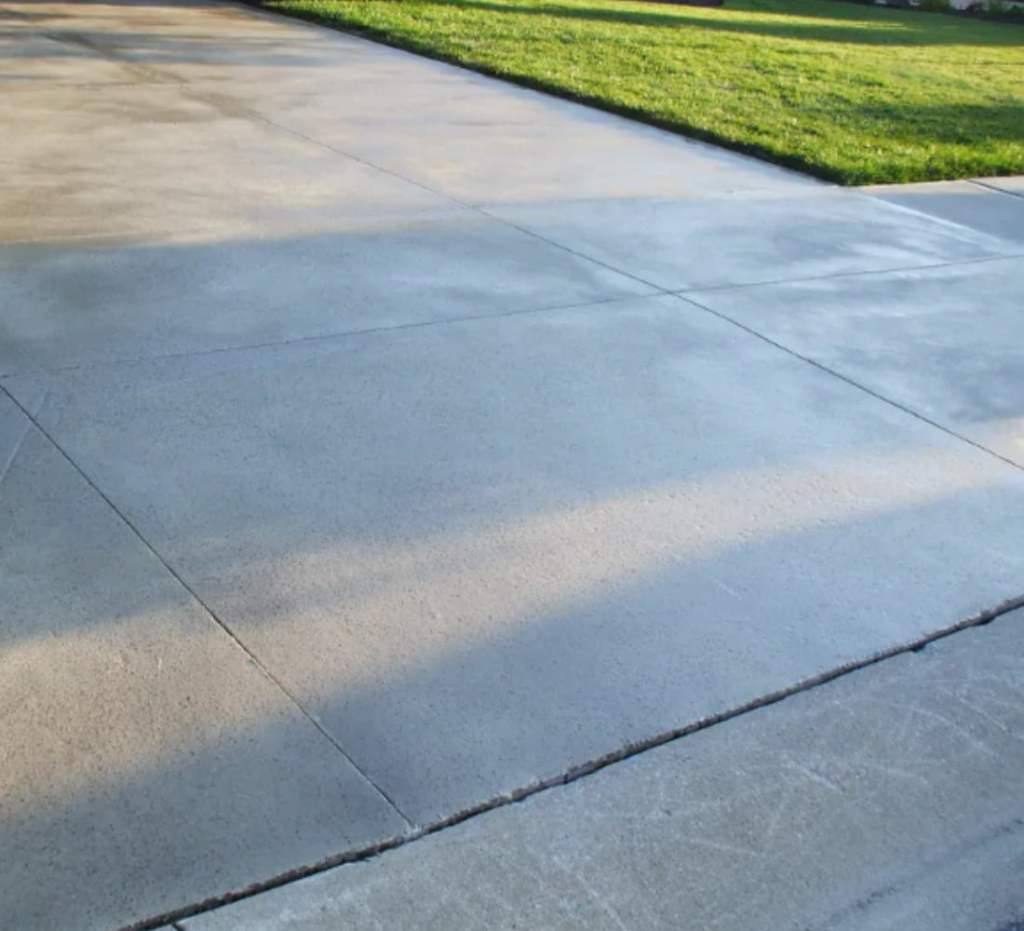
Why Winter Is So Hard on Concrete
Concrete might look solid, but it’s actually porous. When water seeps into those tiny spaces and then freezes, it expands by about 9%. That expansion creates pressure from the inside out, leading to cracks, spalling (those flaky, chipped surfaces), and general deterioration.
Here in Omaha and Elkhorn, we get the worst of both worlds: plenty of moisture from snow and ice, plus those constant temperature swings that make water freeze and thaw over and over. It’s like your concrete is doing crunches all winter long, and eventually, something’s going to give.
Our local climate creates uniquely challenging conditions:
Temperature volatility: January temperatures can swing from 10°F to 45°F within days, creating rapid freeze-thaw cycles that don’t give concrete time to stabilize.
Moisture exposure: We average 30+ inches of precipitation annually, with winter snow and ice providing constant water sources that seep into concrete pores.
De-icing chemical use: Heavily salted streets and sidewalks mean residential driveways and walkways get exposed to damaging chemicals tracked in from vehicles and foot traffic.
Clay soil movement: Omaha’s expansive clay soils shift with freeze-thaw cycles, creating additional stress on concrete slabs and potentially causing settling or heaving.
This combination means Omaha concrete needs more proactive protection than in drier or more temperature-stable climates.
Step 1: Seal Your Concrete Before the First Freeze
The single best thing you can do is apply a quality concrete sealer. Think of it as a raincoat for your driveway. It keeps water from penetrating the surface, which means there’s nothing to freeze and expand inside. You want temperatures consistently above 50 degrees for application and curing. If you missed that window this year, mark your calendar for next fall.
Choosing the Right Sealer for Nebraska
Not all sealers perform equally in our climate:
Penetrating sealers (siliconate/silane): These absorb into the concrete and provide protection from within. They’re breathable, won’t peel, and last 3-5 years. Best for driveways and exposed surfaces in Omaha.
Topical sealers (acrylic/epoxy): These create a surface film that can yellow or peel if applied too thick. Better for decorative concrete or protected areas. Requires reapplication every 1-2 years.
For Omaha winters, we recommend penetrating sealers that allow moisture vapor to escape while blocking liquid water intrusion.
Application tips:
- Clean concrete thoroughly (pressure wash and allow 24-48 hours to dry)
- Apply when temperatures will stay above 50°F for 48 hours
- Two thin coats work better than one thick coat
- Avoid sealing in direct sunlight or when rain is forecast
A good sealer should last 2 to 3 years, but high-traffic areas like driveways might need resealing every other year. If water beads up on your concrete, you’re good. If it soaks right in, it’s time to reseal. Need help with this? Check out our concrete sealing services in Omaha for professional application.
Step 2: Repair Cracks and Damage Before They Worsen
Winter amplifies existing concrete problems. Here’s how to address common issues:
Hairline cracks (less than 1/8″ wide):
- DIY solution: Concrete crack filler or liquid crack sealer
- When to do it: Anytime before first freeze
- Cost: $10-30 for materials
- Often cosmetic; may not need immediate repair but should be monitored
Small to medium cracks (1/8″ to 1/4″ wide):
- DIY solution: Concrete caulk or polyurethane crack filler
- Process: Clean crack thoroughly, fill completely, smooth with putty knife
- Cost: $15-40 for materials
- Important: Must be flexible to accommodate concrete movement
Large cracks (wider than 1/4″):
- Professional repair recommended: May indicate structural issues
- Process: Requires proper cleaning, potentially routing the crack wider, and professional-grade repair compound
- Why professional: Improper repair can trap water and accelerate damage
- Cost: $200-600 depending on extent
The key is doing preventative steps before temperatures drop consistently below freezing, because most repair materials need decent weather to cure properly. If you need help with crack repair and joint sealing, our concrete caulking services in Omaha can get everything sealed up before winter.
Step 3: Choose Concrete-Safe De-Icing Products
Traditional rock salt (sodium chloride) damages concrete in multiple ways:
- Draws water into pores, increasing freeze-thaw damage
- Chemically reacts with concrete surface, causing scaling
- Corrodes rebar in reinforced concrete
- Kills surrounding vegetation
Better alternatives for Omaha concrete:
Calcium magnesium acetate (CMA):
- ✓ Least damaging to concrete
- ✓ Works to about 20°F
- ✗ Most expensive ($20-40 per 50lb bag)
- Best for: Newer concrete, sealed surfaces, high-visibility areas
Calcium chloride:
- ✓ Works to -25°F (coldest Omaha winters)
- ✓ Fast-acting, generates heat
- ✗ Can damage concrete if overused; avoid on concrete less than 1 year old
- Moderate damage risk
- Cost: $15-25 per 50lb bag
Sand or kitty litter:
- ✓ Zero damage to concrete
- ✓ Provides traction
- ✗ Doesn’t melt ice; only provides grip
- ✗ Messy; needs to be swept up
- Best for: Emergency traction, very cold days when chemicals won’t work
Step 4: Ensure Proper Drainage Around Concrete
Standing water is your concrete’s enemy, especially going into winter:
Check these drainage issues before winter:
- Gutters and downspouts directing water onto concrete
- Low spots in concrete where water pools
- Grade sloping toward (rather than away from) concrete
- Clogged drains near concrete surfaces
Quick drainage fixes:
- Extend downspouts 6+ feet away from concrete
- Add channel drains in problem areas
- Regrade soil to direct water away from slabs
- Clear debris from existing drains
Even a small puddle that repeatedly freezes and thaws can cause significant damage over a single winter. If you notice persistent standing water, address it before the first freeze or plan for professional drainage solutions in spring.
When to Call in the Pros
DIY is fine for:
- Sealing concrete that’s in good condition
- Filling small cracks (under 1/4″ wide)
- Applying de-icers properly
- Basic snow removal
Call professionals when:
- Concrete is more than 5 years old and never sealed
- Multiple large cracks (1/4″+ wide) are present
- Spalling covers more than 10-15% of surface area
- Slabs are uneven, creating trip hazards or water pooling
- You’re unsure about proper sealer selection or application
- Damage needs repair but temperatures are already near freezing
- You see active water seepage or efflorescence (white powdery deposits)
Professional services worth the investment:
- Pressure washing + sealing: $0.50-1.50/sqft
- Crack routing and professional repair: $200-800
- Slab leveling (mudjacking/polylifting): $800-2,500
- Comprehensive winter prep assessment: Often free with service quotes
Our team at ConcreteAid in Elkhorn handles pre-winter concrete prep all the time. We can assess damage, handle repairs, and get proper sealing done before the weather turns.
Bottom Line
Nebraska winters aren’t going to get any easier on your concrete, but you can definitely minimize the damage with some smart preparation. Sealing is your best defense, followed by fixing existing issues and being thoughtful about snow removal chemicals.
Taking care of these things now, before the first hard freeze, will save you money and headaches when spring rolls around. Your driveway will thank you, and you won’t be staring at a bunch of new cracks come March.
If you’re in the Omaha or Elkhorn area and want help getting your concrete winter-ready, we’re here for it. Sometimes the best investment is letting someone else handle the prep work so you can just enjoy the snow days.