
Concrete Driveway Thickness & Rebar Standards in Omaha
If you have been thinking about putting in a new concrete driveway, one of the most common questions we hear is: how thick does it actually need to be? It sounds like a simple question, but the answer depends on a few things specific to your property, your soil, and how you plan to use your driveway. Getting the thickness and reinforcement right from the start is what separates a driveway that lasts 30 years from one that starts cracking and heaving after the first handful of Omaha winters.
At ConcreteAid, we have been pouring driveways across Omaha and the surrounding area for years, and we want to share what actually matters when it comes to building a driveway that holds up long-term. Whether you are replacing an old cracked slab or starting fresh on a new build, here is what you need to know.
greg beckard – oct 20, 2024
Standard Thickness Requirements
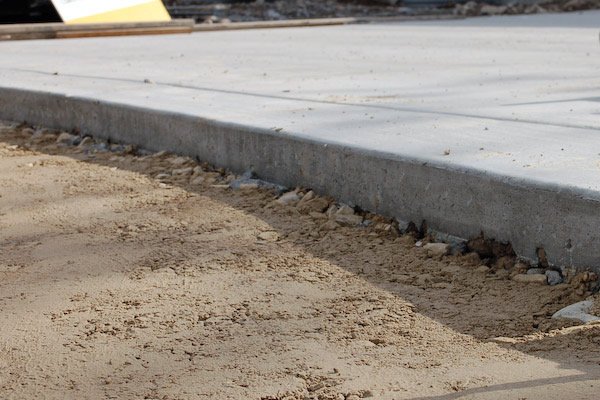
For a standard residential driveway in Omaha, the industry benchmark is 4 inches of concrete thickness. That number comes from decades of residential construction experience and accounts for the typical load a home driveway sees: passenger vehicles, occasional deliveries, and standard traffic patterns.
That said, 4 inches is a minimum, not a magic number. Many contractors in the area, including our team at ConcreteAid, recommend going to 5 inches as a baseline for residential pours. The extra inch adds meaningful strength without dramatically increasing the cost of the project, and in a climate like Omaha’s where freeze-thaw cycles put stress on concrete every single year, that added thickness is money well spent.
Where the driveway meets the street, the apron section, it is common to pour at 6 inches because that area takes the most abuse from vehicles crossing the curb line. The transition point from street to driveway is almost always the first place a thinner slab will fail.
View our complete concrete driveway services in Omaha.
Rebar vs Wire Mesh
This is one of the most talked about topics in residential concrete work, and there is a lot of misinformation floating around. The short version: rebar wins, especially for driveways.
Wire mesh, also called welded wire fabric, has been used for decades as a budget-friendly way to add tensile strength to a concrete slab. The idea is that the mesh holds cracked pieces together if the concrete shifts. The problem is that wire mesh tends to end up at the bottom of the pour during installation rather than in the middle of the slab where it actually does its job. When that happens, you essentially paid for reinforcement that is not reinforcing much of anything.
Rebar, on the other hand, is placed on chairs or supports and stays where it is put. For a residential driveway in Omaha, we typically use a grid of number 3 or number 4 rebar on 18 to 24 inch centers. This gives the slab real structural integrity and significantly reduces the chance of cracking from below. For areas with heavier loads or problematic soil, we increase the rebar size and tighten the grid spacing.
Some contractors will offer fiber reinforcement as an alternative. Polypropylene fibers mixed into the concrete can help with surface cracking and plastic shrinkage, but they are not a substitute for rebar in a load-bearing slab. We use fiber additives as a supplement, not a replacement.
Soil Conditions in Omaha
Omaha and the surrounding metro area sit on some challenging soil. Much of the region has expansive clay content, meaning the ground swells when it gets wet and contracts during dry periods. That constant movement is one of the biggest reasons driveways crack, shift, and become uneven over time.
Before any pour, a properly prepared base is non-negotiable. We remove unstable soil, add a compacted gravel base that typically runs 4 to 6 inches deep, and ensure proper drainage so water does not sit under the slab. Without a solid base, even the thickest, best-reinforced concrete will eventually fail.
Areas near the Missouri River corridor or in older Omaha neighborhoods can also have fill soil from development decades ago. Fill soil that was not properly compacted is a recipe for settlement. If you have noticed your existing driveway sinking in certain spots, that is usually a soil issue rather than a concrete issue. We assess the subgrade before every project and address any concerns before the forms go in.
Omaha winters add another layer of complexity. The ground freezes and thaws multiple times each season, and that movement stresses the slab from below. Proper base preparation and adequate drainage reduce frost heave significantly, but there is no such thing as zero maintenance in this climate. Control joints, which are the saw cuts or tooled lines you see across a driveway, are placed strategically to manage where the concrete cracks if it does crack, keeping those cracks tight and predictable rather than random and wide.
Our complete concrete contractor services explained.
Residential vs Heavy Vehicle Needs
A driveway that sees nothing but family sedans and the occasional grocery delivery is a different engineering challenge than one that needs to support a boat trailer, an RV, a loaded pickup truck, or a small commercial vehicle.
For heavier use, we recommend stepping up to 6 inches of concrete thickness as a standard, with tighter rebar spacing and a more robust base. If you are parking an RV or a truck over 10,000 pounds regularly, that thickness should jump to 8 inches in the parking area, with rebar on 12-inch centers. Piers or thickened edges can also be added to the slab perimeter for additional support.
Residential driveways that include a turnaround, a wider apron, or a section that doubles as a basketball area or extra parking pad benefit from consistent reinforcement throughout. The temptation to save money by thinning out areas that seem less critical often backfires. Any weak spot in a slab becomes a stress concentration point over time.
When we sit down with homeowners to plan a driveway project, we ask about current and anticipated vehicle use. Families who are thinking about buying a trailer or a larger vehicle in the next few years are better off building for that now rather than adding costs down the road.
Long-Term Performance
A well-built concrete driveway in Omaha should last 25 to 40 years or more with reasonable care. The factors that most affect longevity are the ones we have already covered: proper thickness, quality reinforcement, a solid compacted base, and well-placed control joints.
After the slab is poured, sealing is one of the best things a homeowner can do. A penetrating concrete sealer applied every few years helps block moisture from working into the slab, which reduces the damage from freeze-thaw cycling. De-icing salts are particularly hard on concrete, so using sand for traction rather than salt during icy conditions will extend the life of the surface noticeably.
Addressing small cracks early matters. A hairline crack that gets ignored for a season or two will widen as water gets in, freezes, and expands. Most minor repairs are inexpensive when done promptly. Waiting until the damage is significant turns a simple repair into a partial or full replacement.
Finally, make sure the grade around your driveway directs water away from the slab. Standing water at the edges is one of the most common causes of premature edge damage, and it is usually a landscaping fix, not a concrete fix.
If you are planning a new driveway or replacing an existing one, our team at ConcreteAid is happy to walk you through what the right specs look like for your property and how you use it. Every driveway project we take on is built with the expectation that it will still be looking good decades from now.
Ready to Build a Concrete Driveway in Omaha That Actually Lasts?
Thickness, reinforcement, and base preparation are not details to leave up to chance or cut corners on. Getting those fundamentals right is what determines whether your driveway looks great and performs well for decades or starts showing problems after the first few winters. At ConcreteAid, we have been doing this work across Omaha and the surrounding area long enough to know what works and what fails, and we build every driveway like it is going in front of our own home. Whether you are starting from scratch or replacing a driveway that has run its course, we would love to come out, take a look at your property, and give you a straightforward quote.
Reach out to ConcreteAid today and let us put the right foundation under your home.